



“Power is not an end in itself, but it is essential for the achievement of objectives.” Niccolò Machiavelli
In the book 'How Democracies Die' by Steven Levitsky and Daniel Ziblatt, the authors explore democratic decline through concrete case studies. They emphasize the importance of leaders committed to democracy and robust institutions for preserving democratic health. The book describes how democracies can collapse not only through military coups but also through more subtle means, such as when elected leaders gradually undermine democratic institutions.
The corporate business world closely mirrors these definitions. There are various distinct ways for a company to cease to exist. This can occur due to market saturation of a product or service, technological shifts, catastrophic accidents, fatal brand damage, or ruinous financial management. However, there is another, more subtle form of demise, where, although the company technically persists, it loses its market relevance and gradually transforms into a lethargic, directionless entity—a veritable corporate zombie.
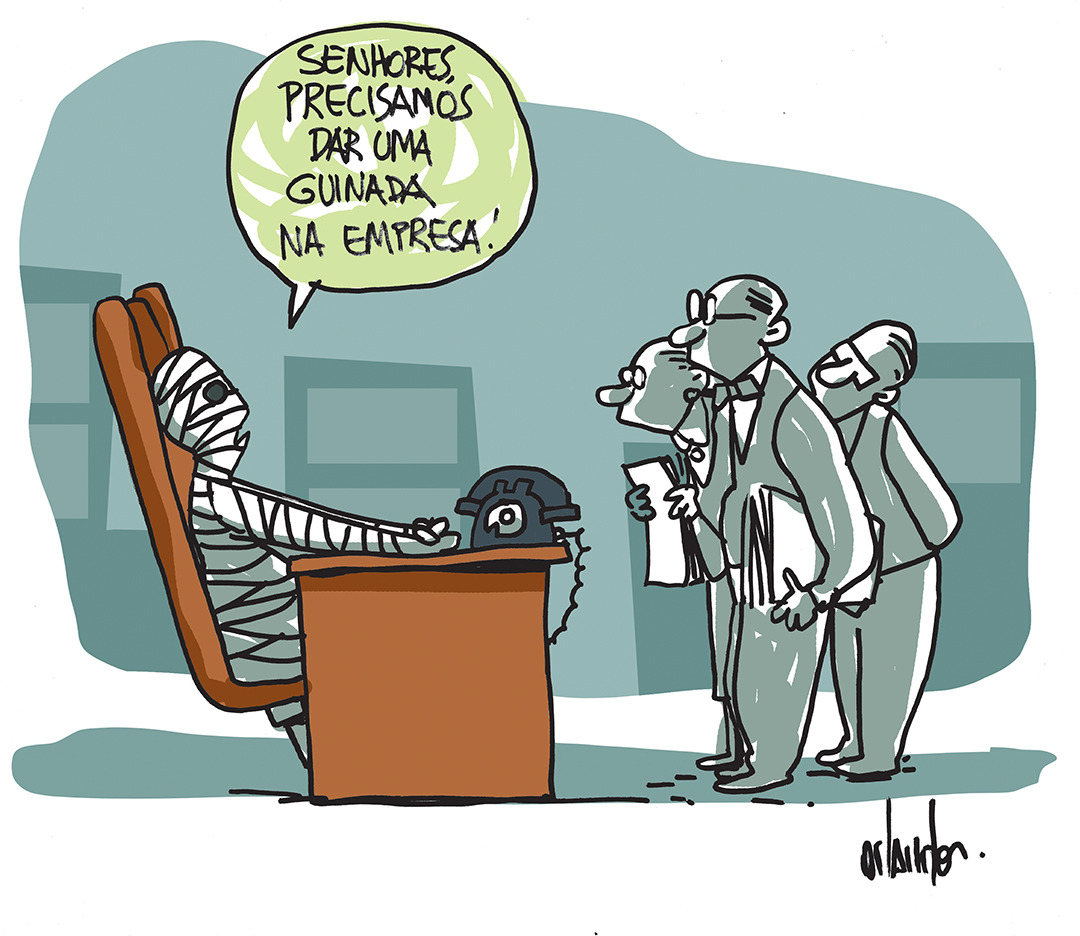
This collapse typically begins when a company loses control. I am not referring to the dilution of control through an organized stock issuance project on the stock exchange or a company sale, but rather to the rise of weak and uncommitted leadership, due to the shareholder's lack of oversight.
It is not enough to merely examine an organizational chart and confirm that all executive positions are filled. These leaders must be admired by their teams and peers, and respected by the market. They must serve as both internal and external benchmarks.
And it is the controlling shareholder who selects a company's leadership. Control constitutes the exercise of power. Corporate law itself defines the controlling shareholder by their legal capacity to appoint a majority to the board, coupled with the effective exercise of this power. In other words, merely possessing the right is insufficient; it must be exercised through daily decisions.
Thus, a controlling shareholder who, through omission, negligence, or timidity, fails to exercise their power of control will cause the company to drift aimlessly, as there will be not only a lack of clear strategic direction but also a leadership vacuum for company members. This leads to consequences ranging from the loss of valuable executives to a decline in the company's market credibility.
We can cite Polaroid as an example of a loss of strategic vision; Enron, as an example of governance issues leading to a loss of accountability and conflicts of interest; Blockbuster, as an example of stagnation and lack of innovation; and HP, due to its internal leadership conflicts that resulted in dysfunctional and detrimental decisions for the company. In Brazil, we have several examples, such as the construction company Rabello, Varig, Encol, Vasp, and Mendes Jr (currently in lethargy) – all these examples share the common thread of an absence of effective leadership from the controlling entity.
There is a corporate adage that if shareholders do not effectively exercise their power, executives will seize control of the company, alter its culture, and steer management solely towards their personal interests, disregarding the commitment established by the company's founder with society.
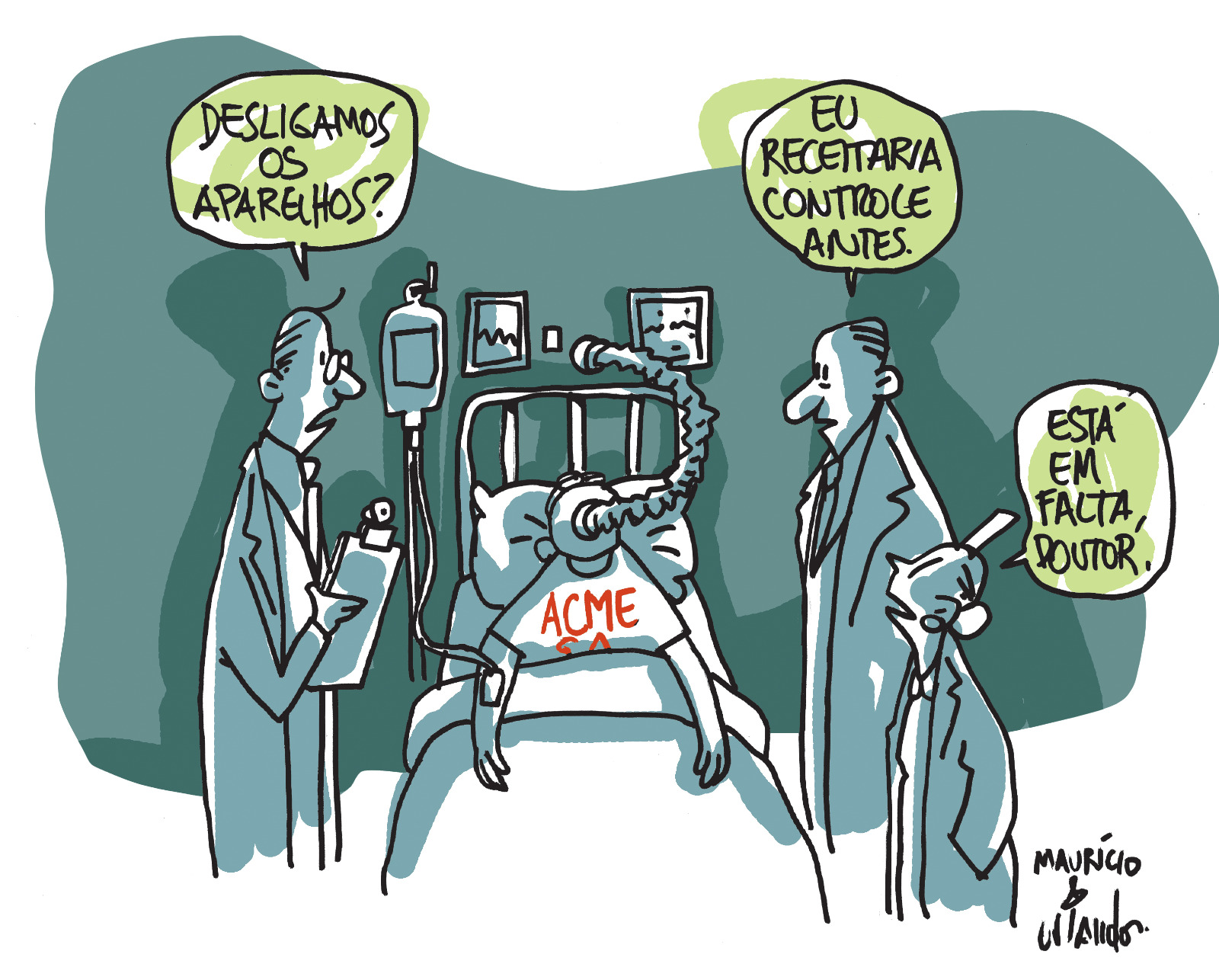
The parallels between Levitsky and Ziblatt's book and the corporate world are compelling. Just as democracies rely on shared norms and values, corporations also require a robust organizational culture. When companies neglect or disregard their culture, they risk compromising internal cohesion and operational efficiency.
In both democracies and corporations, failures in renewal, leadership succession, and power transitions invariably undermine their foundational pillars.
Just as political leaders can undermine democratic norms, corporate leaders may make decisions that compromise a company's health in pursuit of personal gain, leading the enterprise to decline. Furthermore, fragile companies lacking market relevance and strong leadership are susceptible to corporate dormancy or dissolution.
More about
Economy


