



The recent nomination of Guido Mantega for the presidency of Vale generated intense debate and pressure from the market. The movement was so strong that the appointment was ultimately canceled, with the former minister releasing a letter in which he declined the position. Even so, all this commotion warrants reflection on the reasons behind the resistance to his appointment. Were these criticisms really justified, or were they the result of an issue that goes beyond an analysis of the candidate's abilities?
It is well known that shareholders of large companies seek to influence the selection of candidates aligned with their interests. However, one wonders why the pressure falls specifically on Guido Mantega. Is this a natural market practice, or is there a selective bias in the criticism?
Guido Mantega's career as former Minister of Finance is often cited as a source of discontent and even incompatibility. However, it is worth considering whether other renowned names, such as Pedro Malan and Fernando Henrique Cardoso, would face the same resistance if they were appointed. Would other people from the market, with experience in government, be treated as aggressively as Guido Mantega was? Or was it merely disproportionate pressure? Another question: when we analyze the opposite path, is such pressure also valid? The comparison with controversial administrations of ministers who came from the market should also receive attention and relevance, such as Levi, who came from Bradesco, and Paulo Guedes, who did a terrible job in his ministry.
The market, which preaches the idea of liberalism and minimal government interference, reveals its contradictions when it seeks state aid when sectors such as airlines face difficulties. The analysis extends to the past, when PROER (Program for the Restructuring and Strengthening of the National Financial System), an initiative of the Fernando Henrique Cardoso administration in response to the crises faced by banking institutions at the time, was created with the aim of ensuring the stability of the national financial system, preventing bank failures, and protecting depositors. In plain English: it was the state extending a helping hand to save the market in times of crisis.
Market controversy in times of weakness
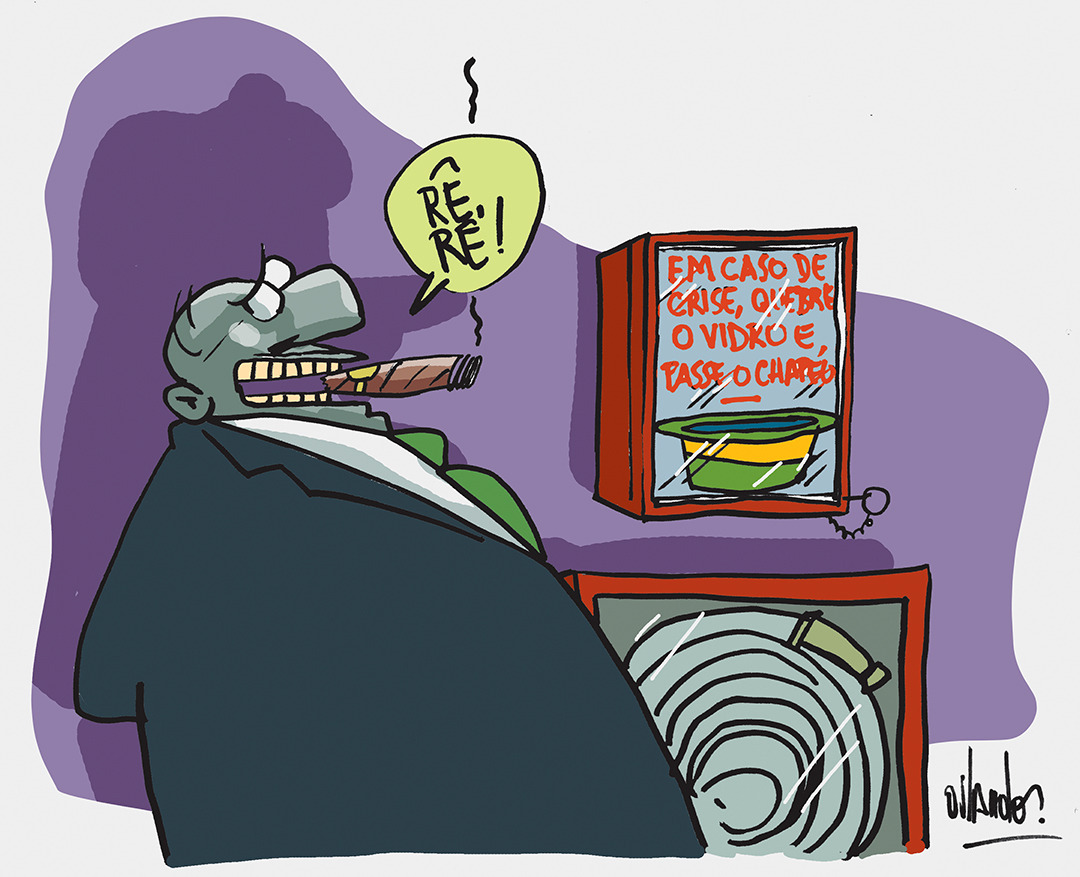
Returning to the airline industry, the current instability and crisis in the sector highlights the duality of market positioning: liberalism advocates for as little government interference as possible, but when sectors begin to show weakness, that same liberal market is the first to knock on the government's door to ask for help and incentives of some kind. In other words, the idea of an airline with state participation sends shivers down the corridors of Faria Lima, but none of them shy away from seeking government support in times of weakness. This raises questions about the consistency of market demands in different contexts.
The reference to PROER and Vale's dependence on the federal government highlights the impossibility of existence without interconnection between private companies and the state. Vale, although a private entity with shares on the stock exchange, requires government approvals and authorizations. This raises questions about the inconsistency of rejecting government influence in certain aspects while seeking it in others. So, if the market wants to say that there should be no involvement from the President or the government in appointments, then Vale should not knock on their door if its permits are not renewed or if it does not have specific mining programs authorized. It is a double standard: if I do not want the government to exert any pressure on my governance, I also cannot expect it to be at my disposal when I need economic assistance.
Finally, pressure from relevant shareholders in companies to appoint presidents and board members is absolutely normal, both in Brazil and worldwide. BlackRock itself, one of the world's largest investment managers and a Vale shareholder, also lobbies for the appointment of executives within the company. The controversy surrounding Guido Mantega at Vale highlights the need to critically analyze the reasons behind the resistance. At this point, newspapers are already announcing the release of a letter in which the former minister states that he is giving up the position at Vale. This makes it even more evident that the debate should not be limited to individual issues, but should expand to a broader reflection on the contradictions of the market and its relationship with the government. Once again, what is happening in Brazil is a lot of fuss over a situation that is not necessarily that complicated.
More about
Politics


