



The legalization of sports betting is a recent development in Brazil, though it is widely prevalent in other countries. The English, for instance, have a deeply ingrained betting culture. There, wagers are placed not only on sporting events but also on occurrences such as who a particular celebrity's new partner will be, driving significant betting activity. In the Brazilian football landscape, the mass arrival of online betting platforms has created a new dynamic with substantial economic benefits. This is evidenced by the fact that virtually all Serie A teams currently feature sponsorships of this nature on their jerseys. Undeniably, this represents an expansion of economic liberty.
However, this scenario also exposes a considerably fragile and perilous aspect: vulnerability to match manipulation. The case of player Lucas Paquetá, indicted by the English football league on suspicion of manipulation for receiving a yellow card, offers an opportunity to reflect on the complexity of this issue. Ultimately, we must analyze the athlete's judgment, the resources employed to construct the indictment's premise, among various other facets.
Lucas Paquetá, a talented Brazilian midfielder who emerged from Flamengo's youth academy, found himself embroiled in controversy after being accused of match manipulation. The suspicion arose following an anomalous surge in bets predicting he would receive a yellow card in a specific match. The case raises significant questions regarding the appropriate conduct of such investigations and the perils of prejudgments based on superficial analyses.
Investigations into sports betting match manipulation must adhere to rigorous principles and clear methodologies. Sole reliance on artificial intelligence algorithms that analyze historical player behavior patterns is unacceptable. While these technological tools are valuable, they cannot supersede thorough and evidence-based human investigation.
To grasp the gravity of a suspicion such as Paquetá's, it is essential to adopt an investigative procedure akin to those employed in financial markets, such as stock exchanges. Initially, one must ascertain whether an extraordinary volume of bets was placed on a specific outcome. Should an anomalous surge be detected, the subsequent step is to "follow the money" – investigating the bettors and tracing any financial connections that could implicate the player.
This investigative methodology precludes unjust prejudgments and ensures that actions taken are predicated on concrete evidence. In Paquetá's case, it is crucial that the responsible authorities meticulously examine all facets before any public condemnation. The presumption of "innocent until proven guilty" must prevail to uphold the integrity of the sport and ensure justice for all involved parties.
The benefits derived from the betting industry must be underpinned by a robust anti-fraud policy.
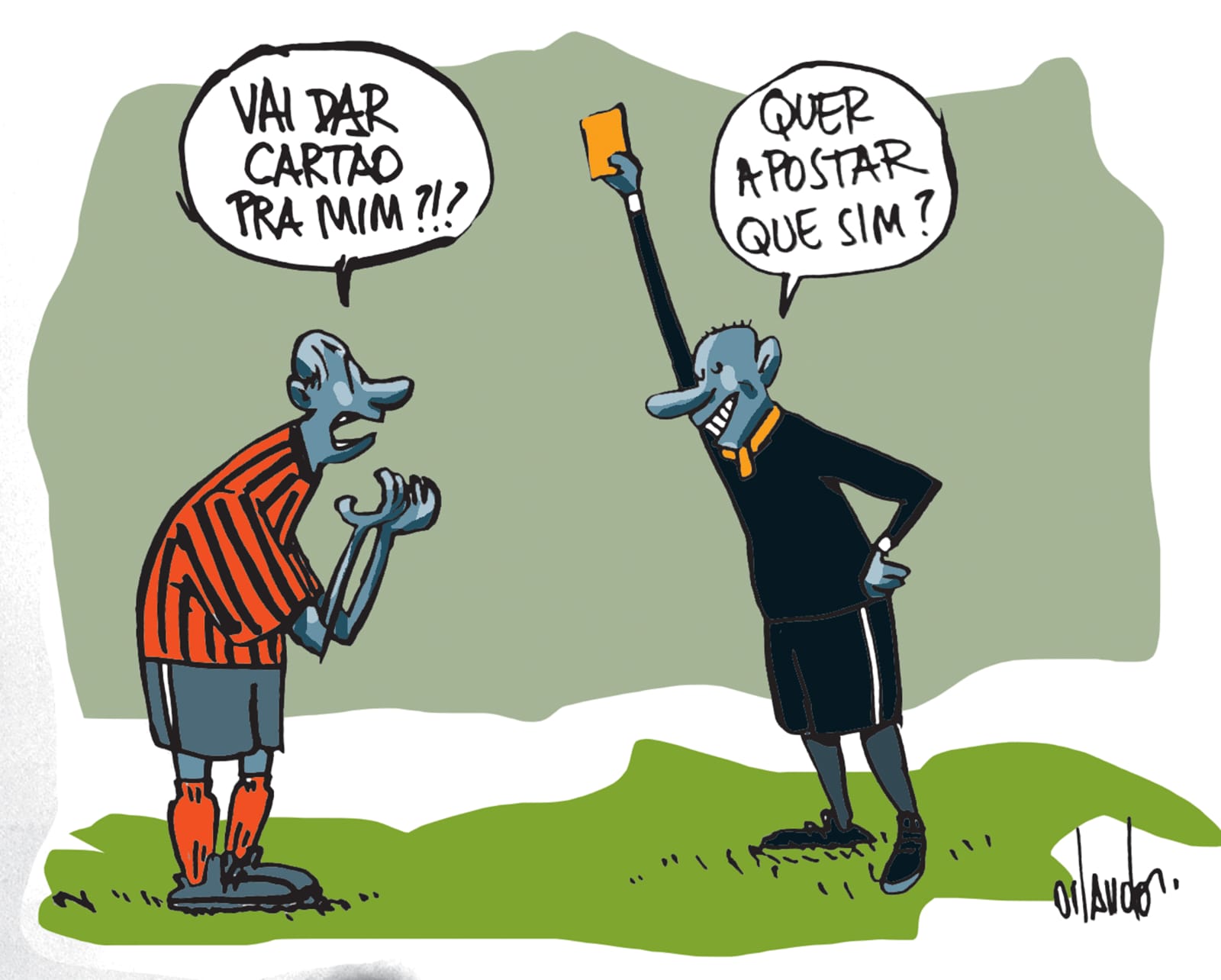
Despite all the potential vulnerabilities within the betting industry, the economic freedom afforded by the legalization of sports betting is undeniable. It generates employment, tax revenue, and stimulates the economy. However, there is a critical aspect that I perceive as the Achilles' heel of this betting landscape: the ability to wager on any minute detail. Currently, it is possible to bet on whether a player will enter the field as a midfielder or a forward; if they will receive a yellow card; or if they will commit a specific number of fouls. This introduces a significant vulnerability. This excessive scope for granular betting increases insecurity and erodes confidence in the reliability of sports outcomes.
Betting houses must adopt more stringent self-regulation, limiting the scope of what can be wagered upon. Defining clear parameters and restrictions can mitigate the potential for manipulation and reduce existing vulnerabilities within the current system. Self-regulation not only safeguards the integrity of sports but also reinforces bettors' confidence in the market. One approach could be to restrict bets to events that genuinely influence the course of the game. For instance, the number of goals scored, the timing of each goal, or whether a player receives a red card. This would make it more challenging for players with illicit interests to manipulate these variables. After all, a player cannot unilaterally decide whether to score a goal or intentionally receive a red card, thereby jeopardizing their team and career. This differs significantly from, for example, receiving a mere yellow card, which allows them to fulfill a betting prerequisite without detriment to their team.
The Lucas Paquetá situation exemplifies the need for a delicate balance between economic freedom and sporting integrity. The Brazilian national team faces a dilemma: whether to call up the player while the investigation is ongoing. This uncertainty is detrimental to both Paquetá and the team. It is essential that the English league and other sports entities develop a clear protocol for handling such situations, safeguarding players' rights while ensuring transparency and fairness.
Intriguingly, similar cases in other leagues, such as the Spanish league, often do not receive the same rigorous attention. This raises questions regarding the consistency and impartiality of match-fixing investigations in global football. Uniformity in investigative approaches is fundamental to maintaining the trust of fans and players alike.
In summary, the Lucas Paquetá case serves as a call for critical reflection on the sports betting industry. The economic freedom and benefits derived from betting are undeniable, yet they must be balanced with stringent measures to prevent manipulation. Thorough investigations, self-regulation by betting operators, and a fair and impartial approach are essential to protect the integrity of the sport and ensure that cases like Paquetá's are handled with the seriousness and justice they warrant.
More about
Sports


