



Historically, football has always been regarded as the sport of the masses. From its inception, it drew vast crowds and offered one of the few avenues for individuals from low-income backgrounds to achieve prominence. Many footballers emerged from humble origins, viewing the sport as a pathway to social mobility. The large fan bases of teams like Flamengo, Corinthians, Atlético Mineiro, and Bahia were predominantly composed of individuals with limited purchasing power, reflecting this strong connection to popular strata. Conversely, certain clubs such as São Paulo, Fluminense, and Botafogo, for instance, catered to a more elite demographic, although this distinction has gradually diminished over time.
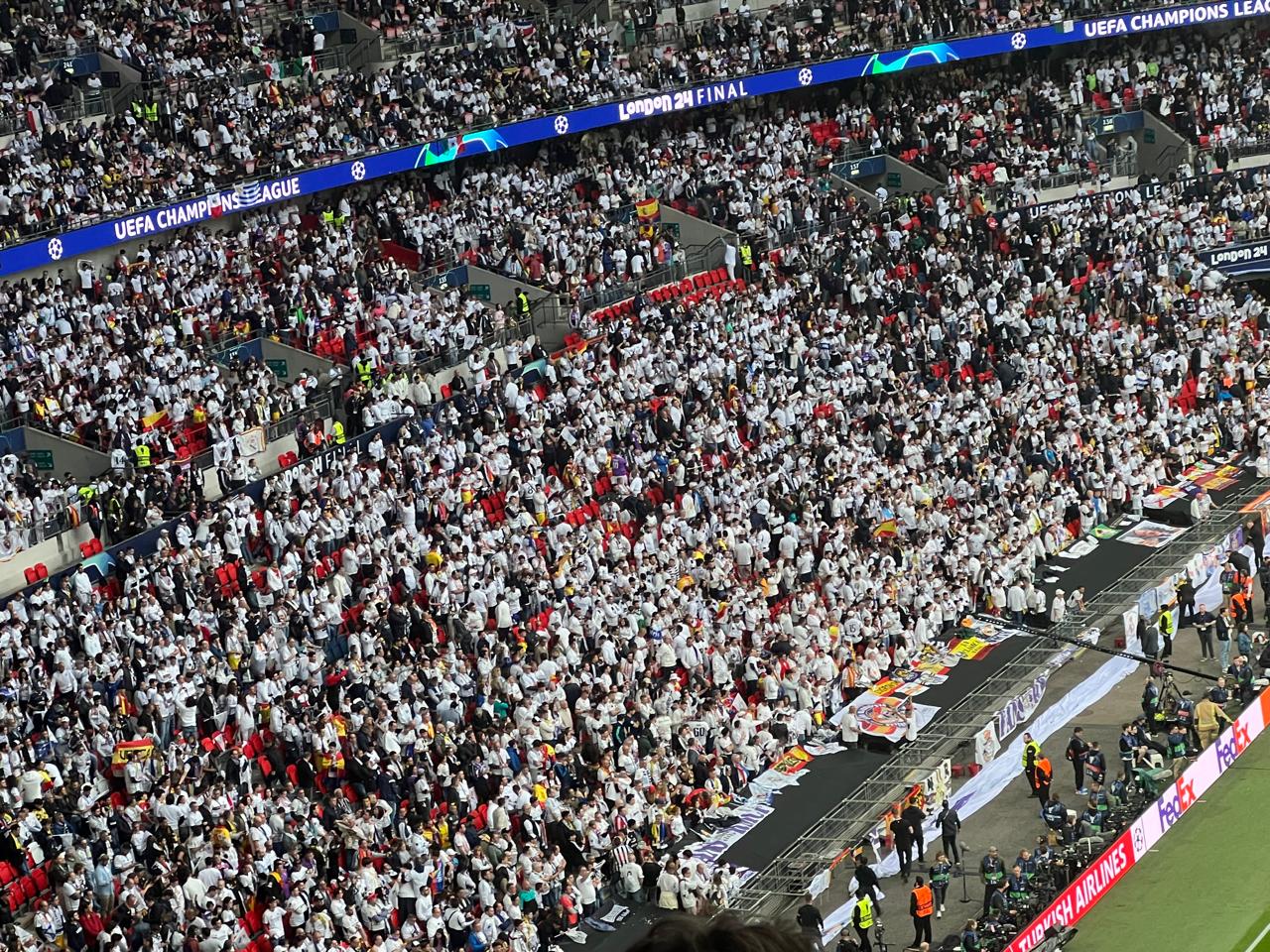
However, the current landscape of football, both in Europe and South America, is undergoing a radical transformation. The Champions League exemplifies this shift, evolving into an elite spectacle characterized by exorbitant ticket prices and stadiums filled by a more affluent audience. This phenomenon is similarly observed in South America, where tickets for significant matches are prohibitively expensive for most traditional supporters.
The globalization of football has resulted in clubs like Real Madrid having a larger fan base outside Spain than within the country itself. This internationalization trend has alienated local supporters, who, in many instances, were instrumental in shaping the club's history. The increasing construction of proprietary stadiums by clubs and the implementation of FIFA standards in their facilities also contribute to the sport's elitization. These stadiums are progressively commercialized, thereby marginalizing low-income fans.
In the recent Champions League final, a stark contrast was evident between the fan bases of Borussia Dortmund and Real Madrid. While Borussia's supporters, deeply rooted in their traditions, created a vibrant spectacle in London, Real Madrid's fan base, despite the victory, appeared less fervent. This example illustrates the evolving profile of the football supporter: shifting from a passionate, local audience to a more international and less emotionally invested demographic.
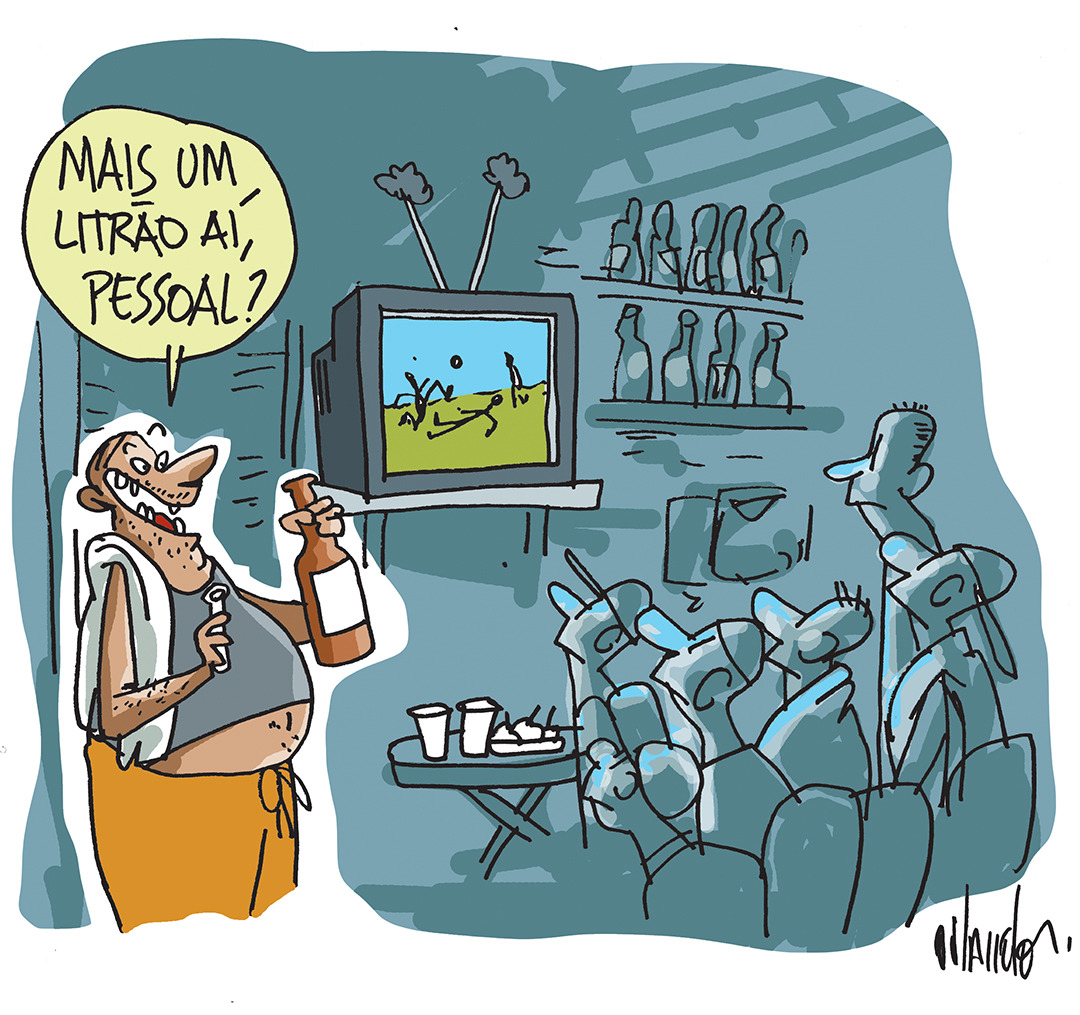
Not long ago, attending a stadium was an activity primarily reserved for ardent football enthusiasts and, frequently, for individuals with limited financial means. More affluent supporters typically opted to watch matches at home, enjoying the full comfort of television broadcasts. Today, however, this dynamic has reversed. Stadiums have evolved into expensive and sophisticated venues, inaccessible to many low-income fans, who now watch games at home, often under less comfortable conditions than in the past.
Membership programs for fans, intended to facilitate access to matches, are unable to meet demand. Even members encounter difficulties in acquiring tickets, which are subsequently resold on the secondary market at exorbitant prices. This phenomenon further alienates traditional supporters from stadiums.
Beyond the elitization of the audience, football players themselves have undergone a significant transformation. Previously, they were humble figures solely focused on playing the game. Today, numerous players have evolved into pop stars, enticing them with fame and luxury. The multi-billion-dollar figures circulating around contracts have transmuted these athletes into celebrities, frequently more preoccupied with media engagements than with their athletic careers.
This shift is paradoxical, as despite football's increasing physical demands on athletes, many players prematurely conclude their careers to indulge in a life of luxury. Recently, a statement attributed to a member of Real Madrid or Manchester City aptly illustrated this issue: "What good is being a billionaire if you cannot enjoy the wealth you accumulate?" This adage encapsulates the current dilemma: the arduous schedule of matches and commitments stands in stark contrast to the desire to leverage accumulated fortunes within a truncated career.
Football, traditionally the sport of the masses, is increasingly evolving into a symbol of elite status. The globalization of clubs, the construction of sophisticated and costly stadiums, and the metamorphosis of players into pop stars are unequivocal indicators of this transformation. The traditional fan, who consistently supported and contributed to the sport's history, is being progressively marginalized, supplanted by a more affluent and less fervent audience. This phenomenon raises pertinent questions regarding the sport's future and the imperative to establish an equilibrium that ensures the inclusion of all football enthusiasts, irrespective of their socioeconomic standing.
More about
Sports


